2.16 Kw Solar System Installation In Nyeri County, Kenya
Check out our recent 2.16 Kw Hybrid Solar System Installation in Nyeri County, Kenya


A recent 2.16 Kw Solar System Installation in Nyeri County, Kenya

Check out our recent 2.16 Kw Hybrid Solar System Installation in Nyeri County, Kenya
A recent 2.16 Kw Solar System Installation in Nyeri County, Kenya
Check out our recent 3.6 Kw Hybrid Solar System Installation in Kisumu County, Kenya


A recent 3.6 Kw Solar System Installation in Kisumu County, Kenya
Check out our recent 0.36 Kw Hybrid Solar System Installation in Busia County, Kenya
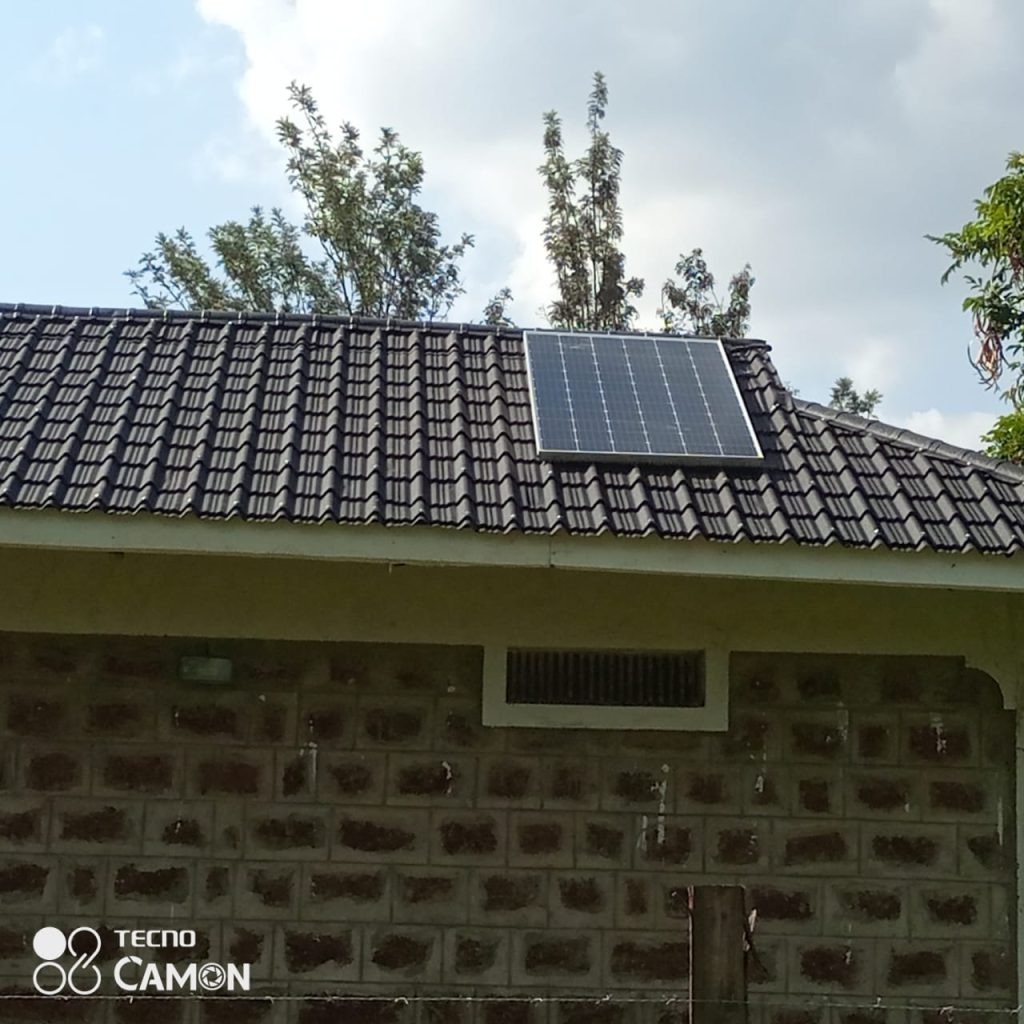

A recent 0.36 Kw Solar System Installation in Busia County, Kenya
Check out our recent 5.76 Kw Hybrid Solar System Installation in Migori County, Kenya
Contact Us For A Solar Quote in Your Area


Arguably the most common question solar technology skeptics in Kenya normally ask is does solar really work In Kenya?
The flooding of the Kenyan market with substandard quality portable solar powered lamps had the biggest negative impact on the embracing of solar technology as far back as 12 years ago.
With solar retailers in Kenya focusing on quantity rather than offering the Kenyan market quality, many consumers ended up with substandard solar products making them conclude that solar technology isn’t reliable and doesn’t work.
But this is far from the truth. Solar technology does actually work in Kenya!
Keep in mind that the solar technology 10 or so years ago wasn’t as advanced as it is today.
Battery storage for instance has gradually shifted from the toxic high maintenance lead acid batteries to the gel type no maintenance required batteries that last more than 5 years when programmed by a hybrid inverter to optimal depth of discharge rates that preserve and extend battery life. Read more about the 3 Types Of Solar Batteries Available In Kenya

The answer is yes! But focus on quality rather than price is imperative when thinking of installing a solar system.
With focus on quality solar systems comes reliability and value for money on your renewable energy investment in Kenya.
If you are in the market for a solar system that performs for longer hours during the night then emphasis on battery storage is key for your systems optimal performance.
If you are in the market for a solar system that performs only during day time then emphasis on a bigger battery storage bank is not as important. This option is considerably cheaper.
PowerAfricaSolar only offers quality solar systems that perform by offering value for money. Take a look at 18 solar packages we offer and email us with your preferred package for a final quote.
In conclusion, put an end to unpredictable high energy bills, power blackouts, monthly 16 % VAT charged on your electricity bill, over billing, backdated bills and generally unreliable energy services by going solar contact us for a free quote today.
Consider reading: Why You Need To Fill Out A Solar Load Profile Form In Kenya

Apart from doing an electronic energy audit, An accurately filled load profile form shows how much energy a building uses at each time of the day for each day of the year.
A completed solar load profile form is required,
To accurately determine the energy demand each client intending to make the switch to solar requires.
As a solar solutions provider, we would like to know how many lights,
Appliances and electronics you run in your house and how many hours during the day or night they are in use.
Clients who give inaccurate data end up having a solar system sized below their load energy demand.
Hence poor performance of their solar system.
Inaccurate load profile data leads to client complaints on why,
Their solar system shuts off very early during the night or trips during the day.
If you experience frequent water rationing in the city or town you live in, you’d agree that every time the city turns the water back on,
You rush to fill up your water tank as much as possible,
Knowing how long the stored water in the tank will last your household when,
The water gets turned off again by the city.
Say the stored water in the tank lasts you 4 days until the next time the city turns the water back on to refill the water tanks.
But on a rare occasion you had a party with guests over who spent the night and the water in the tank ended up lasting only 2 days.
The solution to fixing such a situation to never happen again is to buy a larger capacity water tank,
To cater for the days when you have visitors over or extra demand for water.
Same thing happens with solar systems,
The bigger the energy demand the bigger the energy storage system (battery bank) required,
To keep your loads powered through the night before they recharge again during the day.
In conclusion take a moment to fill out our online load profile form here to get your accurate solar quote today.
Consider reading: Load Shedding Best Practices For Solar Systems In Kenya
Solar panel marketplaces consistently place LG solar panels in their top 10 lists, so it’s great to see that the company is continually working to improve its products. LG has unveiled two new solar panels and upgrades to its NeON module line for 2021.
LG’s new 66-cell NeON R and NeON R Prime modules are back-contact modules that will be available to U.S. homebuilders and homeowners this spring. The NeON R has a power output up to 440 W, while the NeON R Prime (all-black) rates at 425 W. Both modules have an efficiency up to 22.1%. Read more here and find out more about What To Look For When Comparing Solar Panel Prices in Kenya

Looking for a solar system installer in Nairobi? Check out our recent Solar System Installation Project in Runda Nairobi, Kenya.
High unpredictable electricity bills are increasingly putting a strain on Kenyans budgets.
The good news is…

The cost of switching to solar in Kenya has dropped significantly in the past several years. A decade ago, an average 1 kilowatt hour residential solar system could cost more than Ksh 1,000,000. Now, the outright cost of a typical home installation ranges from Ksh 300,000 to Ksh 360,000 which is a 64% average decrease.
From the price of hardware to ongoing maintenance, learn more about the cost of home solar.
It’s no secret that the energy costs in Kenya continue to rise to unpalatable levels.
Commercial and residential electricity rates (the amount you pay per kilowatt-hour, or /kWh) have constantly risen across the nation over the last 10 years. This trend is unlikely to be disrupted in the future: oil prices are only likely to increase, and as they do electricity rates will rise.
This cost will obviously be passed down to the consumers by the local power company.
Solar energy benefits businesses, organizations, and property owners in huge ways. Businesses all across Kenya, and the world are taking advantage of everything switching to solar has to offer.
Here’s an article we came across highlighting how high your electricity bill in Kenya could rise.

The Lawyer and Former Governor spend over Ksh 6,000,000 a year in electricity bills. Which is why Switching To Solar in Kenya is the Best Way to Reduce Or Eliminate Your Rising Power Bill.
In conclusion, Solar panels are rapidly spreading over Kenyan rooftops. And as the cost of solar continues to fall, it’s no surprise that residential solar systems are installed every 60 minutes in Kenya.
Residential solar costs are at their lowest in over 30 years. More affordable than ever, today’s residential solar panels feature technology advances that maximize power production. Read more on: How many solar panels will my home in Kenya need?

The growing interest in switching to solar by electricity consumers is gaining momentum at a fast pace.
Hence the need to get Solar Energy Facts From A Leading Solar Panel Company In Kenya that,
focuses on value and quality rather than cheap prices only.
With millions of Kenyans still hoping to be connected to the electricity grid there can only be one option to expedite the process,
Install a solar system on your property and forget paying monthly energy bills for years to come!
Think of this as the same situation Kenya was in before mobile phones.
Not everyone could afford to have a landline phone or, get one even if they had the resources due to their remote locations.
Then came the mobile phones and everyone had an affordable chance to get connected.
Long story short no one talks about getting a landline phone anymore…
Fast forward to today and most people again are either not able to afford getting connected to the electricity grid.
Or are sick and tired of the high power bills and a side of power blackouts from the unreliable energy company.
That should probably rebrand its name to The Power Outage Company with its slogan as “ high power bills for frequent power blackouts”
And now for the good stuff.
Solar power systems derive FREE energy from the sun. Installing efficient solar panels with reliable battery storage systems on your home helps cut or eliminate your electric bill.
Pretty much choosing to put an end surprise power bills, back dated bills, over billing and frequent power blackouts. Here’s How To Reduce Or Eliminate Your Rising Power Bill In Kenya
Read more on Solar Energy Facts From A Leading Solar Panel Company In Kenya by knowing What To Look For When Comparing Solar Panel Prices in Kenya